1. Choose the Right Camera and Lens
While phones can handle basic product photography, a DSLR or mirrorless camera offers greater control over aperture, ISO, and shutter speed. A 50mm or 85mm lens provides a natural perspective, while macro lenses work well for capturing smaller items in crisp detail... if you don't have a big budget... maybe you'll be okay to use the trusty iphone...
2. Master Lighting for Product Photography
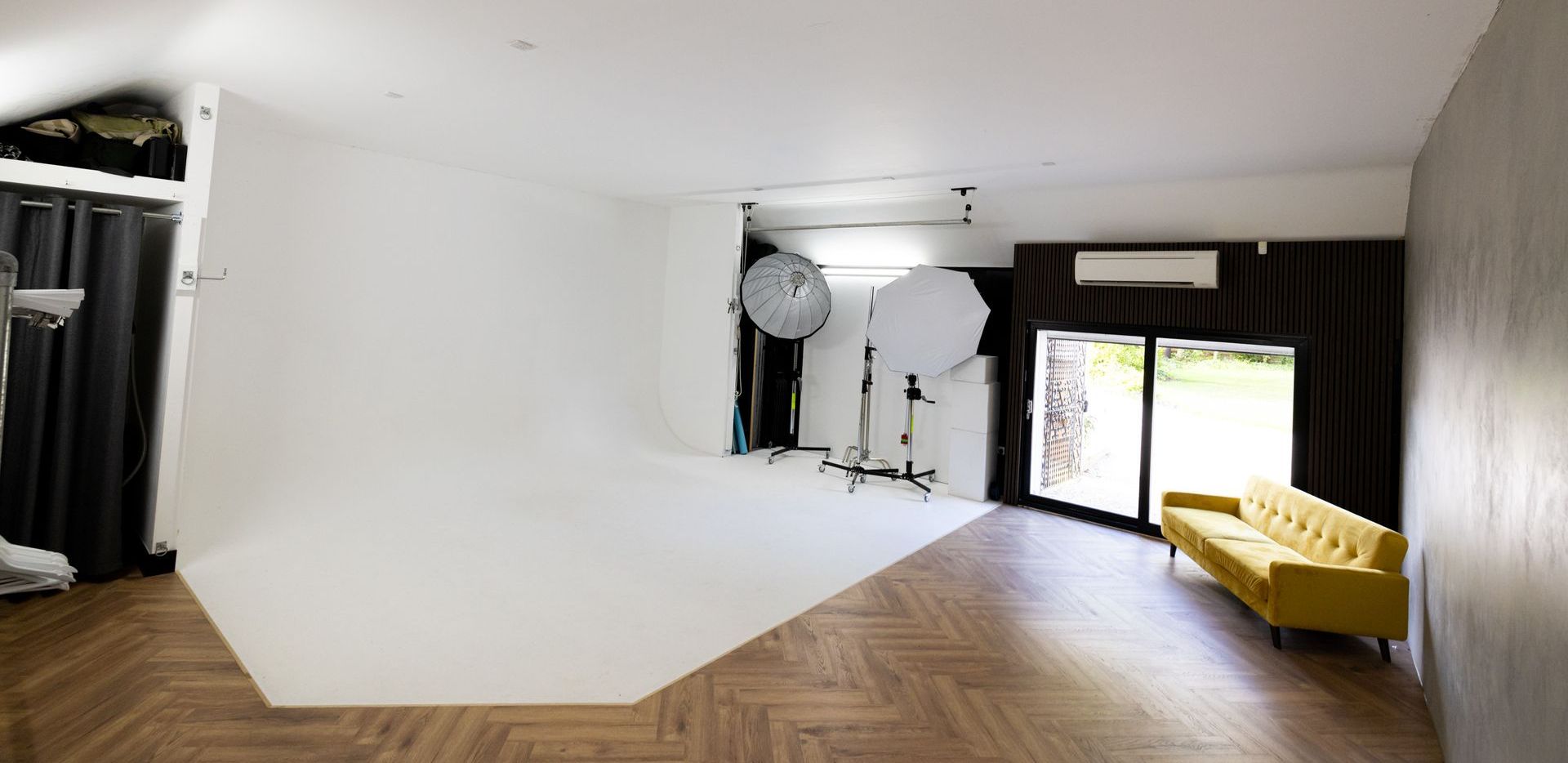
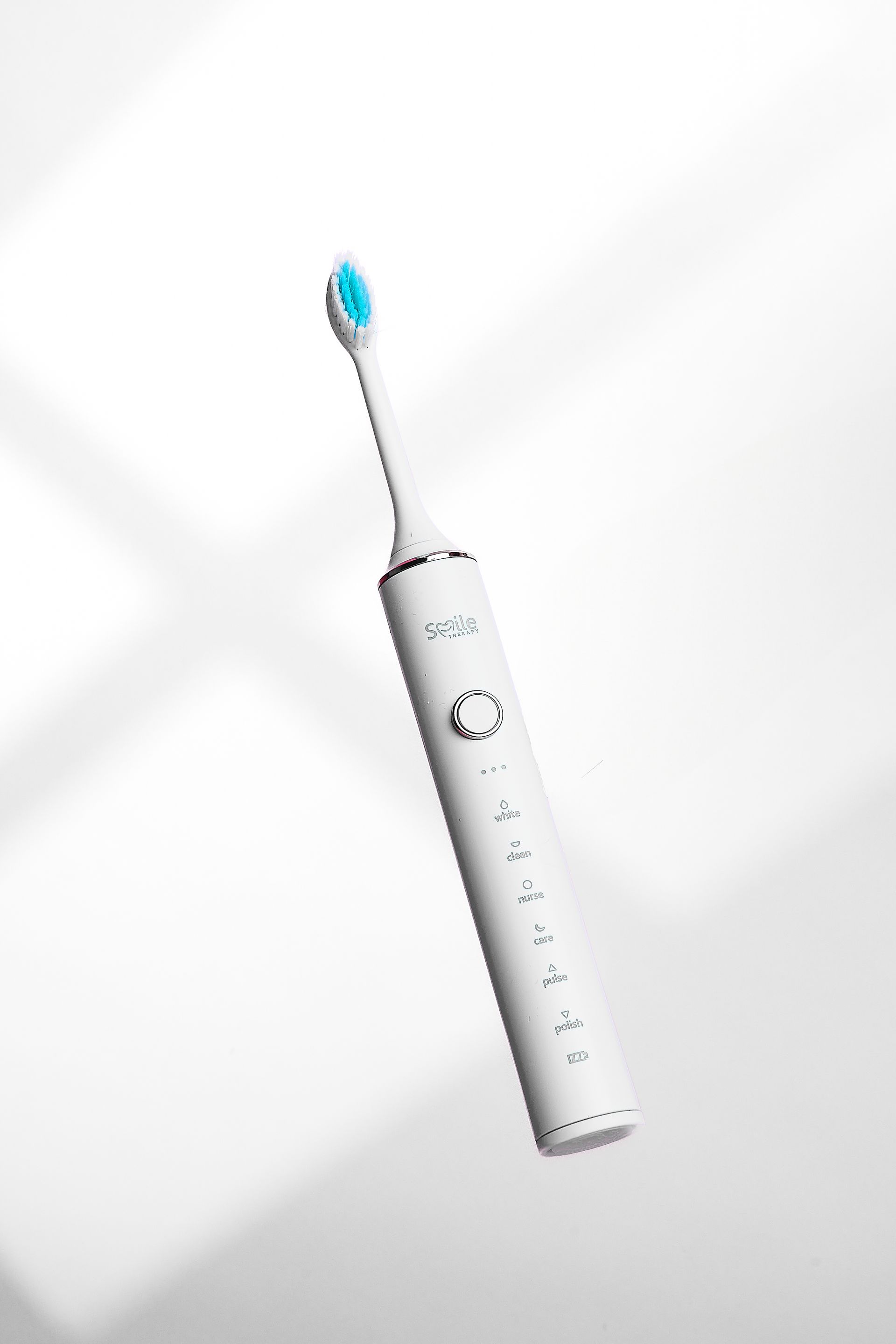
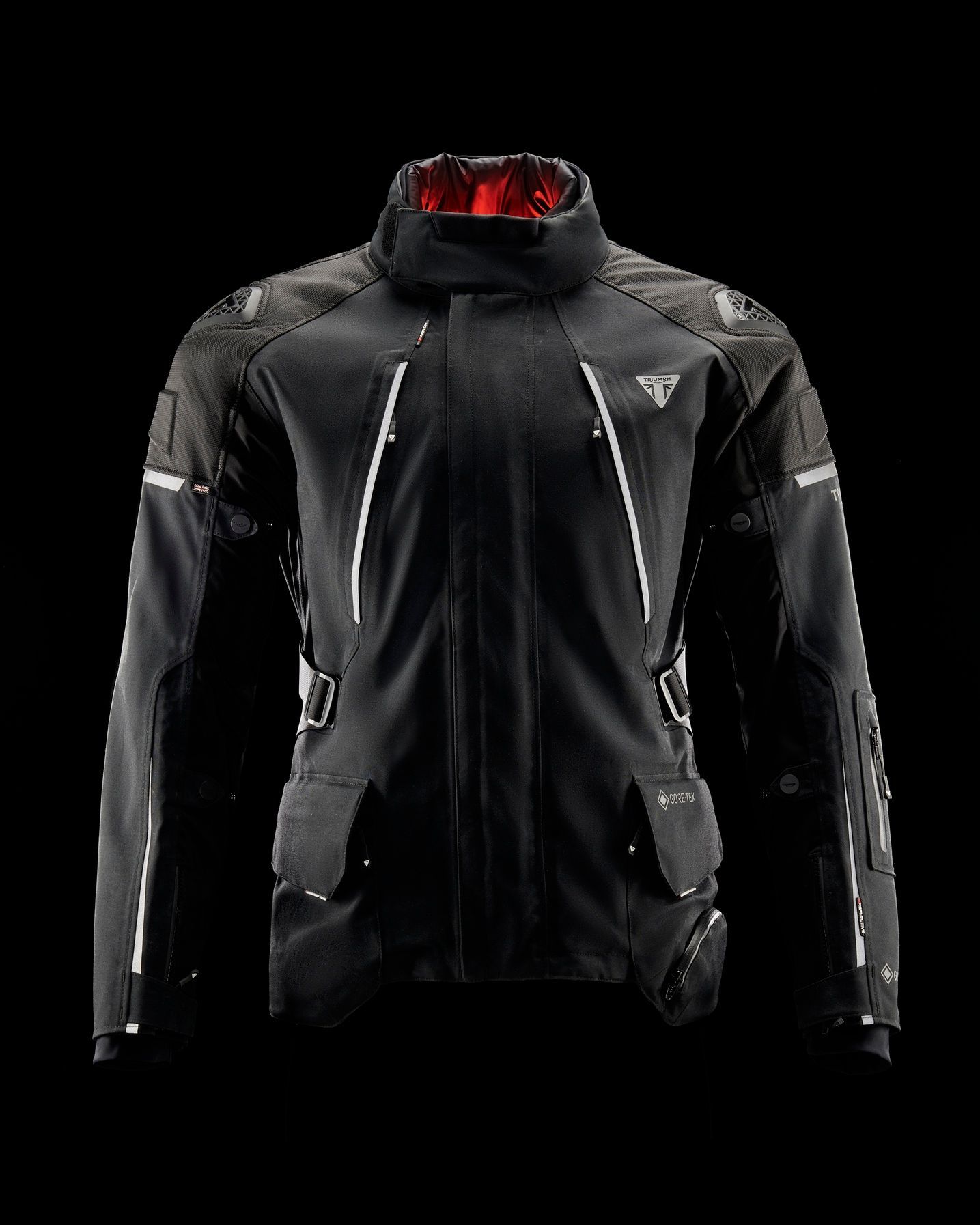
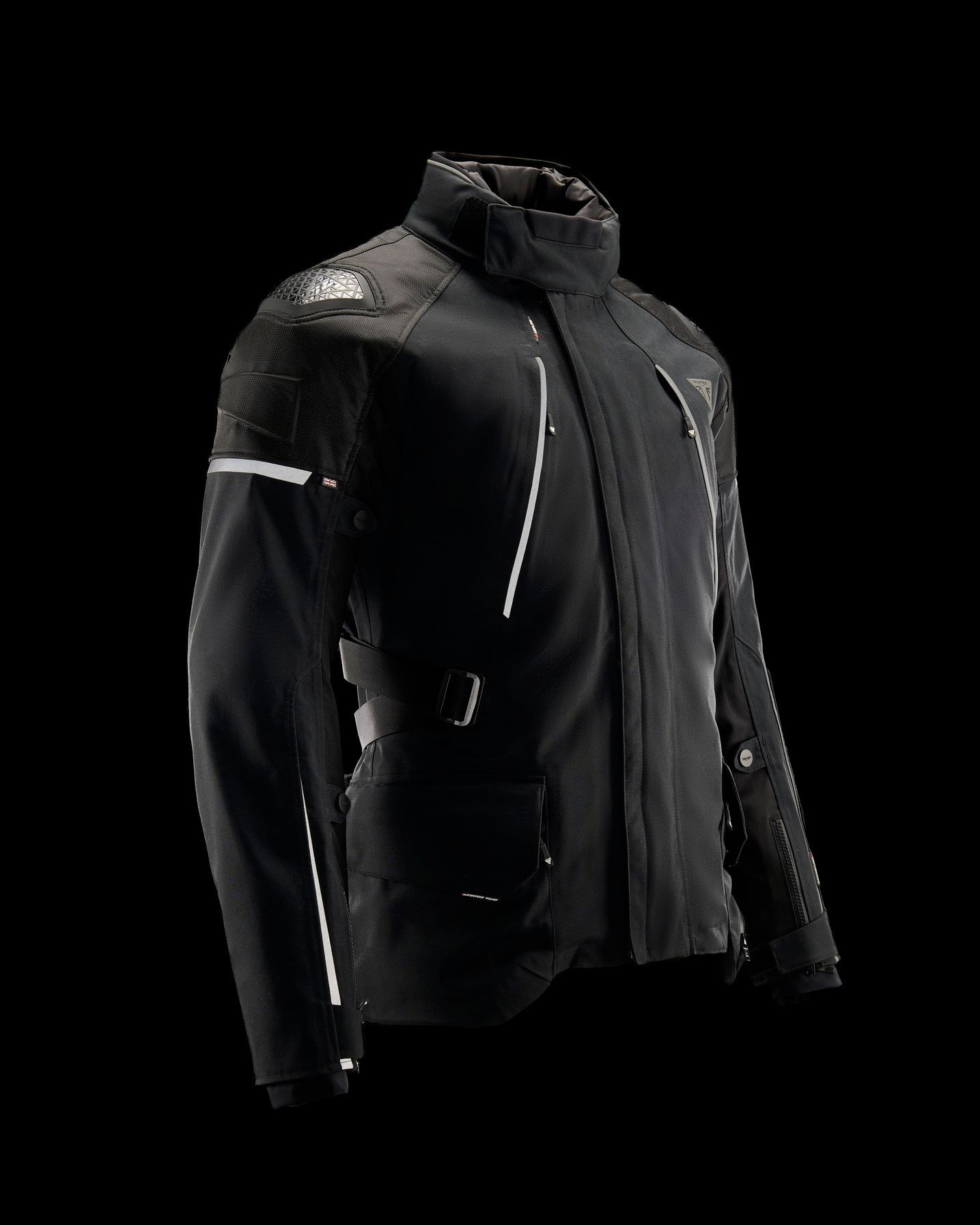
Lighting is key to professional product photos. Use softboxes or LED panels for consistent lighting, and definitely avoid harsh shadows (unless its adding to your "vibe".). A 45-degree angle from the product can work best for "even" illumination, and diffusers or reflectors can soften the light to highlight details.
3. Keep the Background Clean
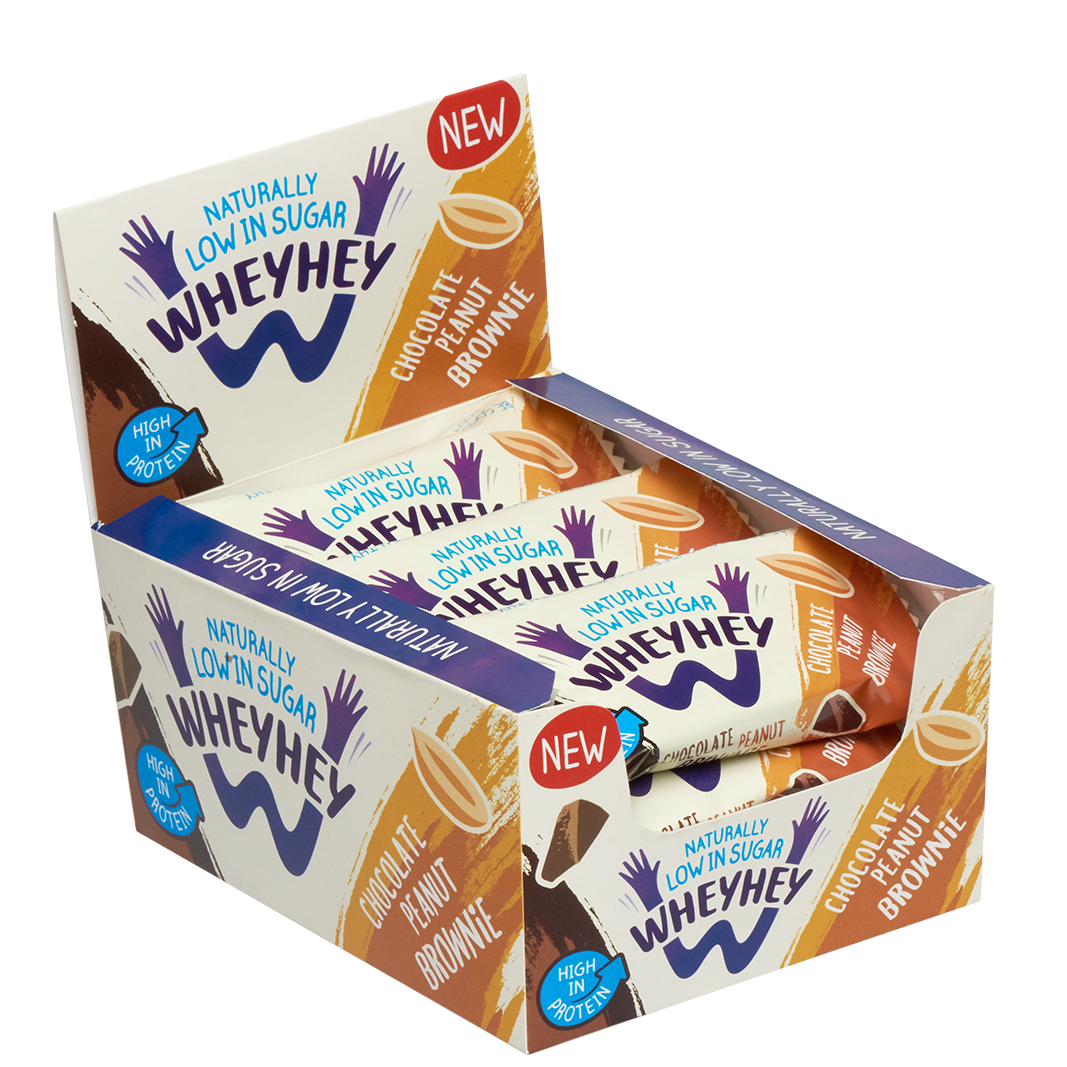
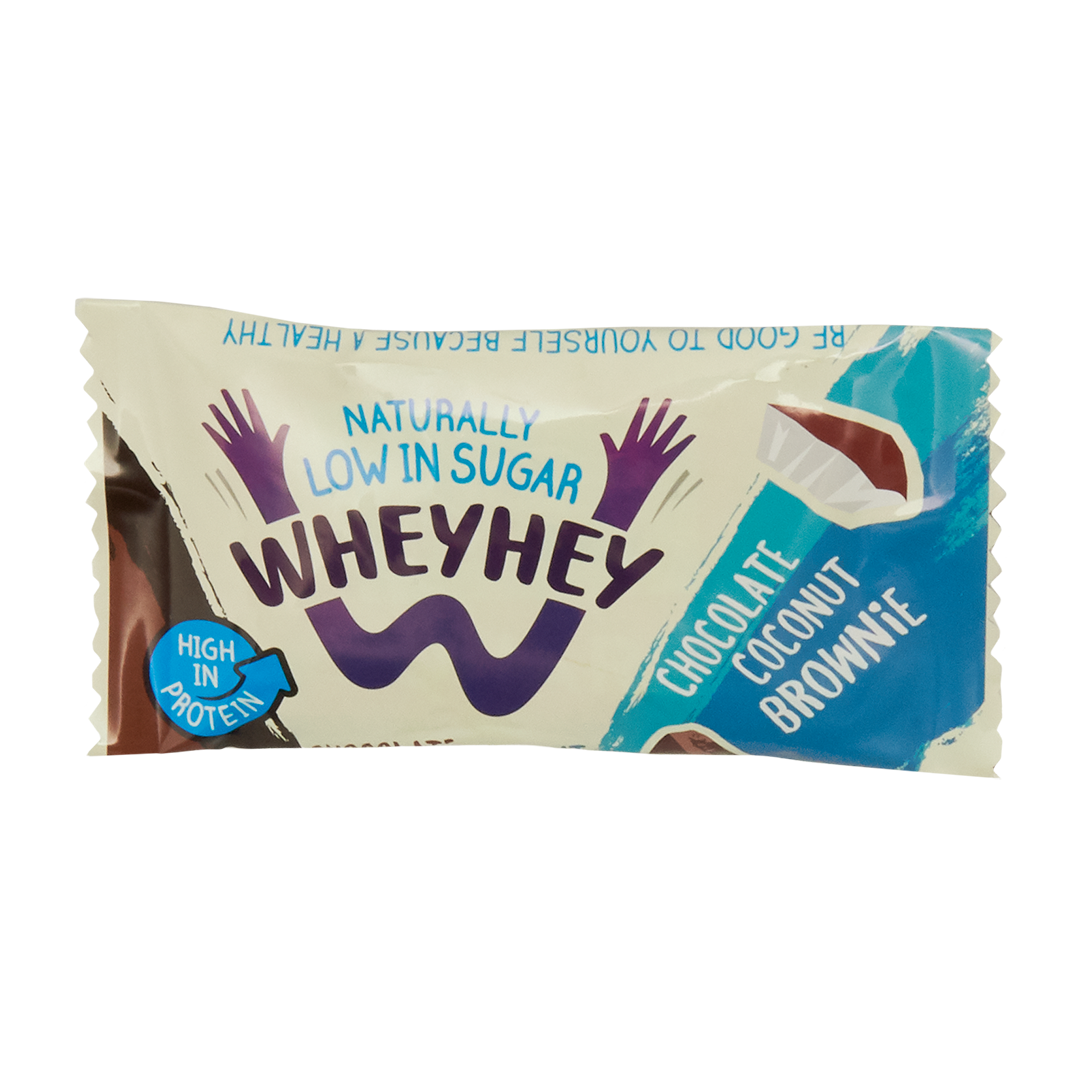
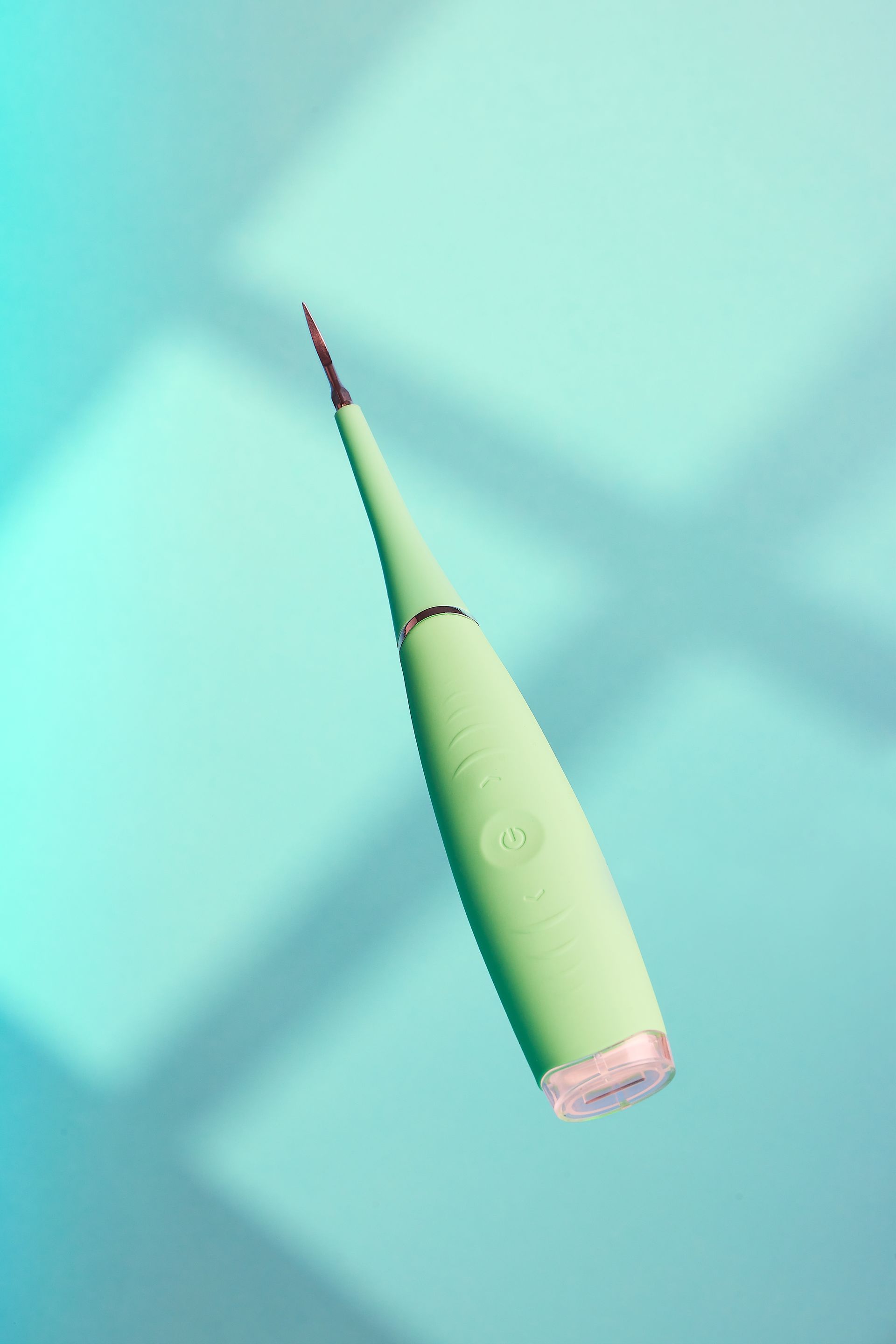
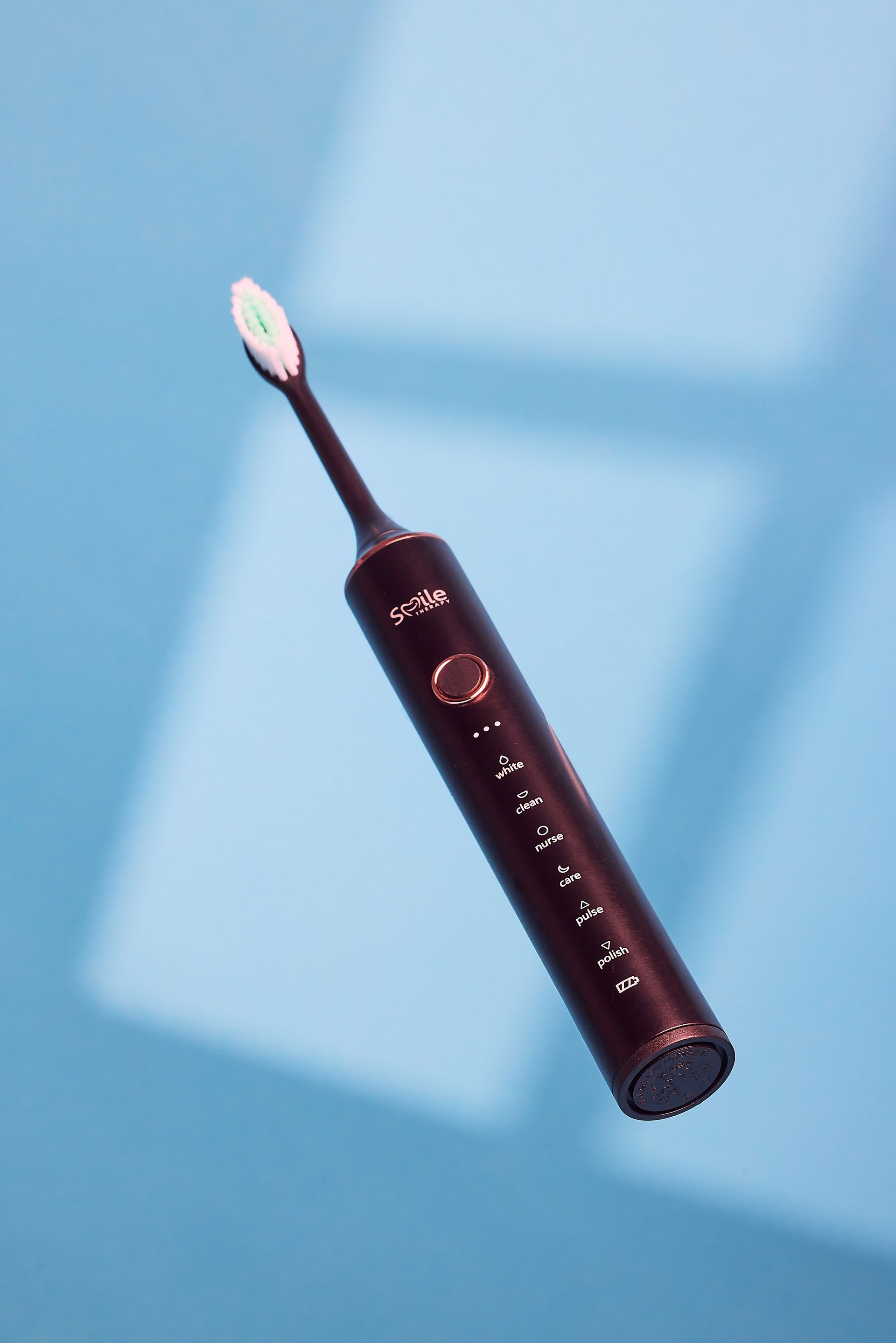
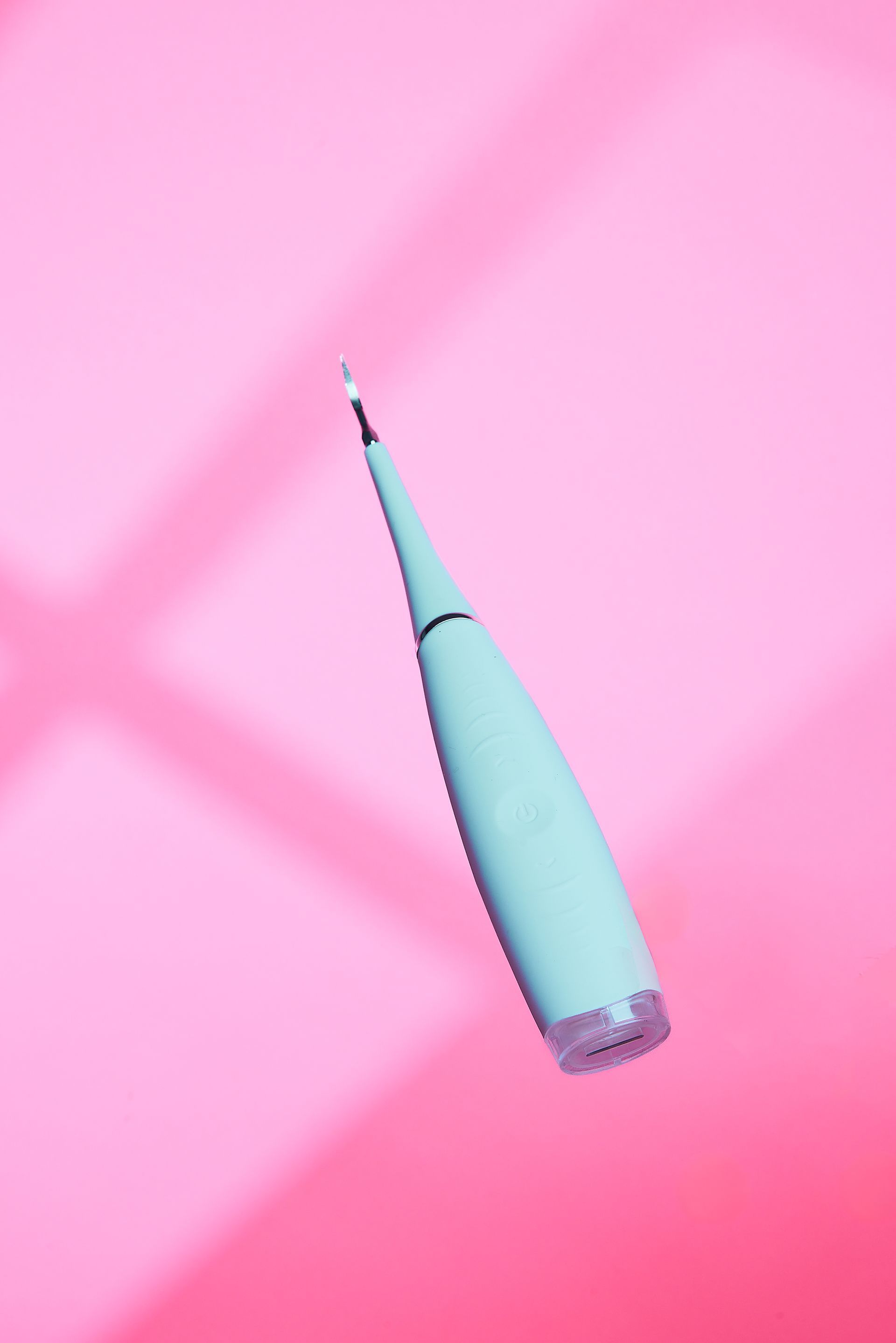
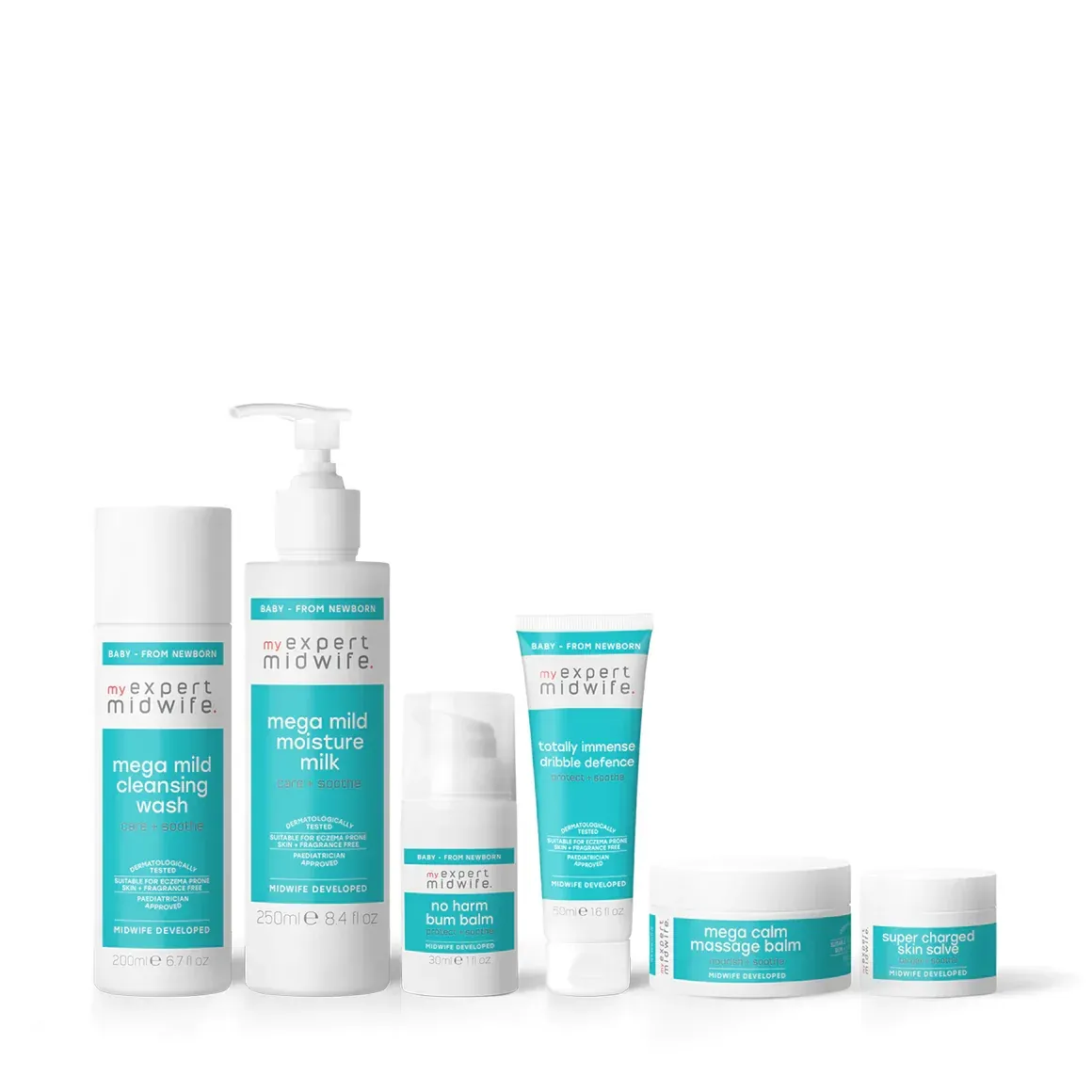
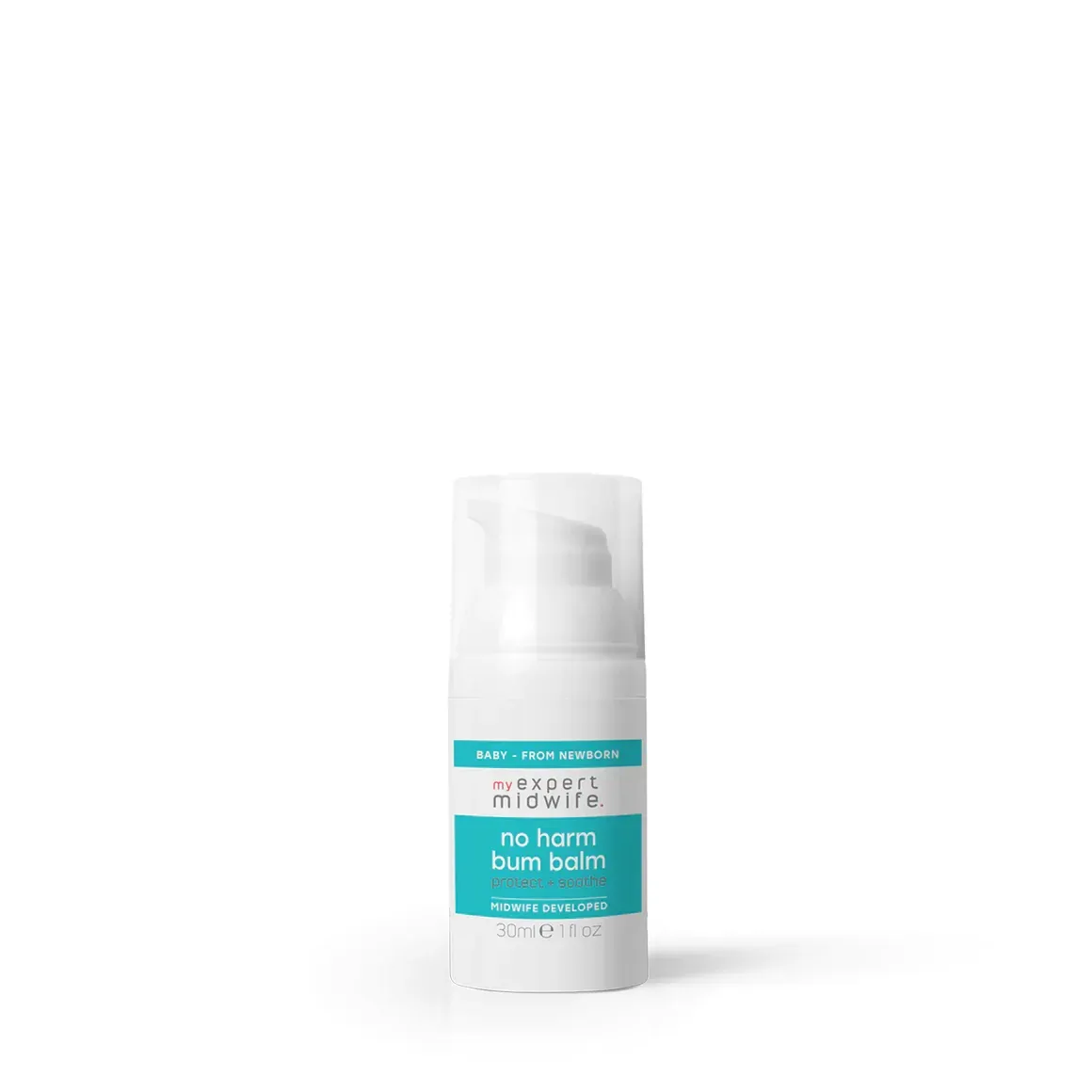
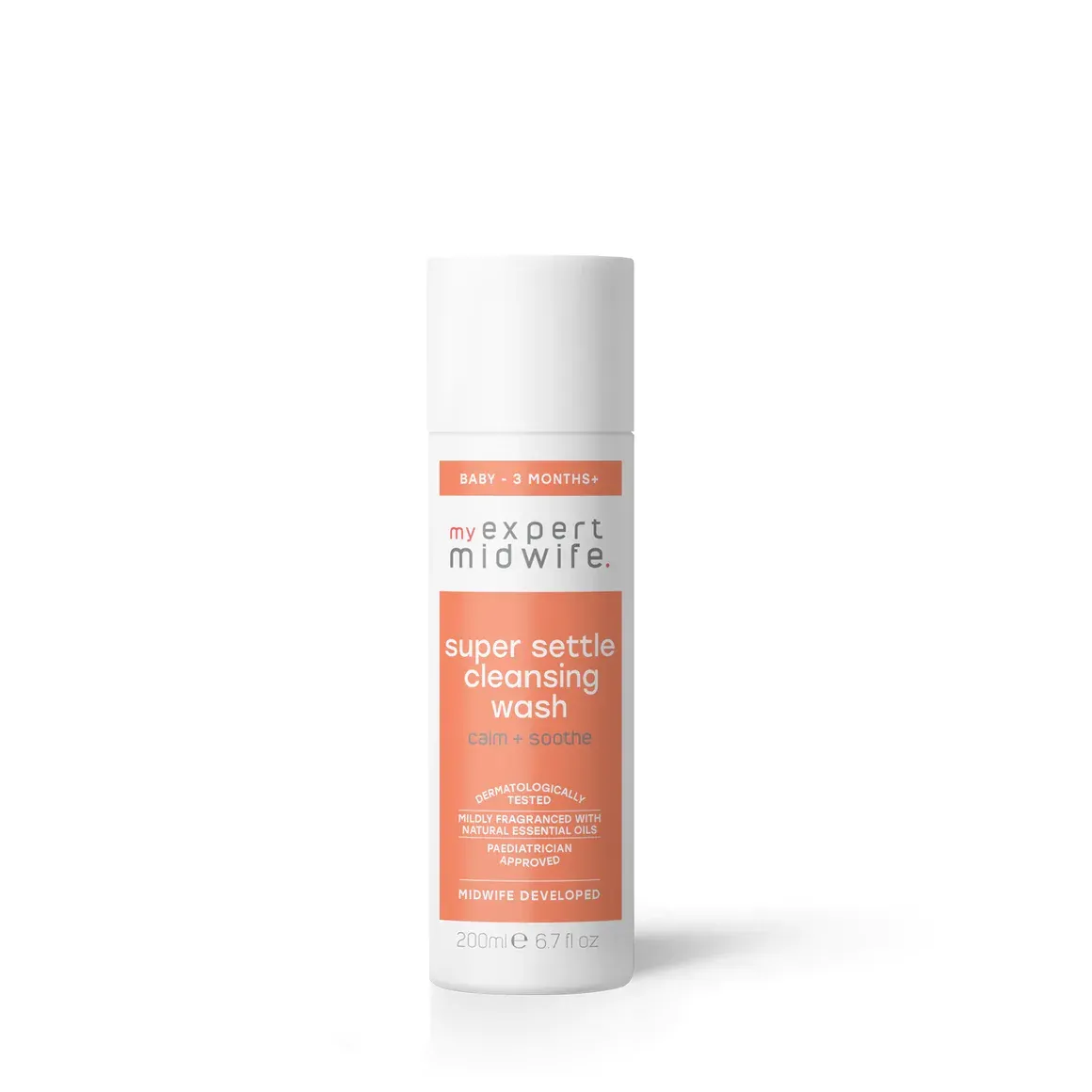
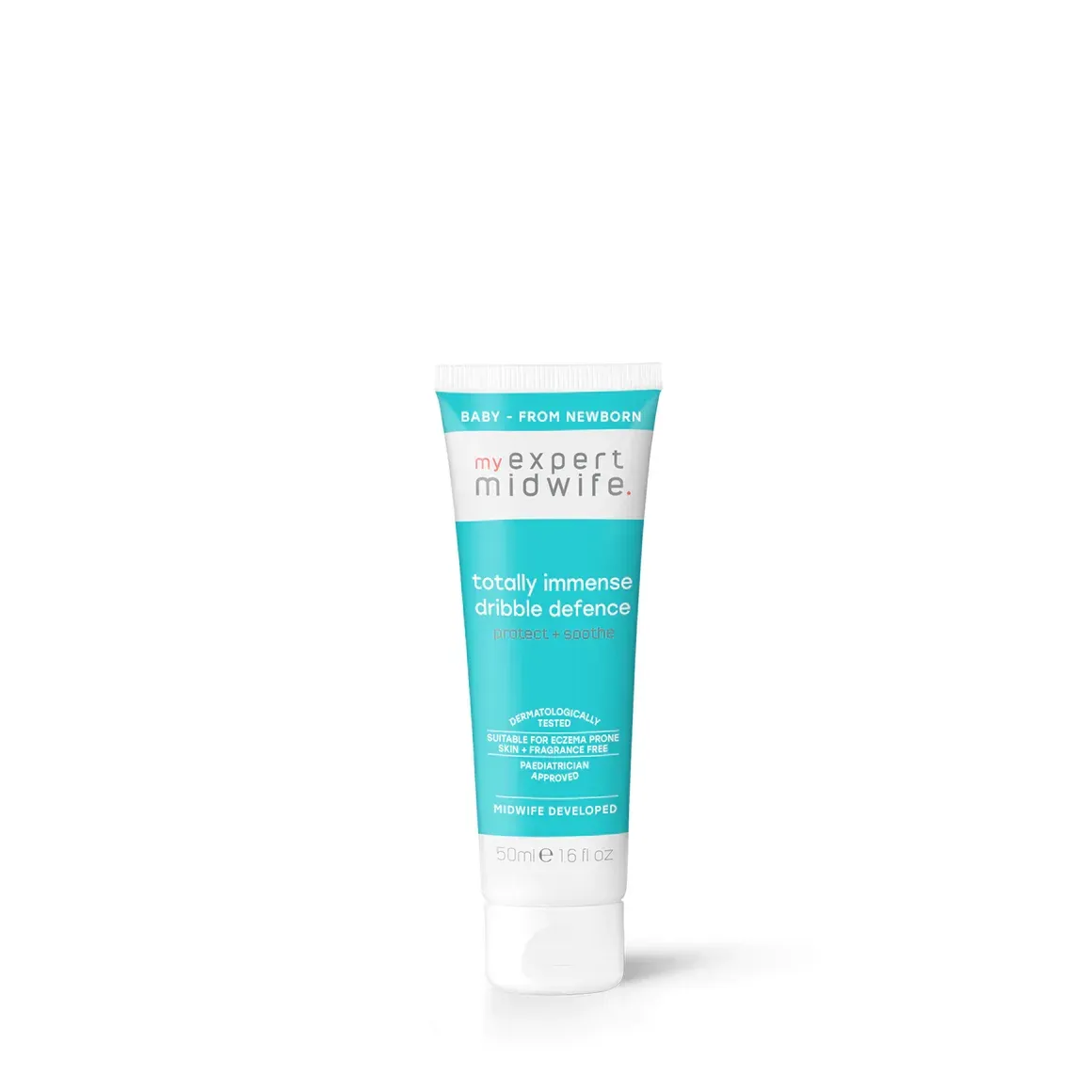
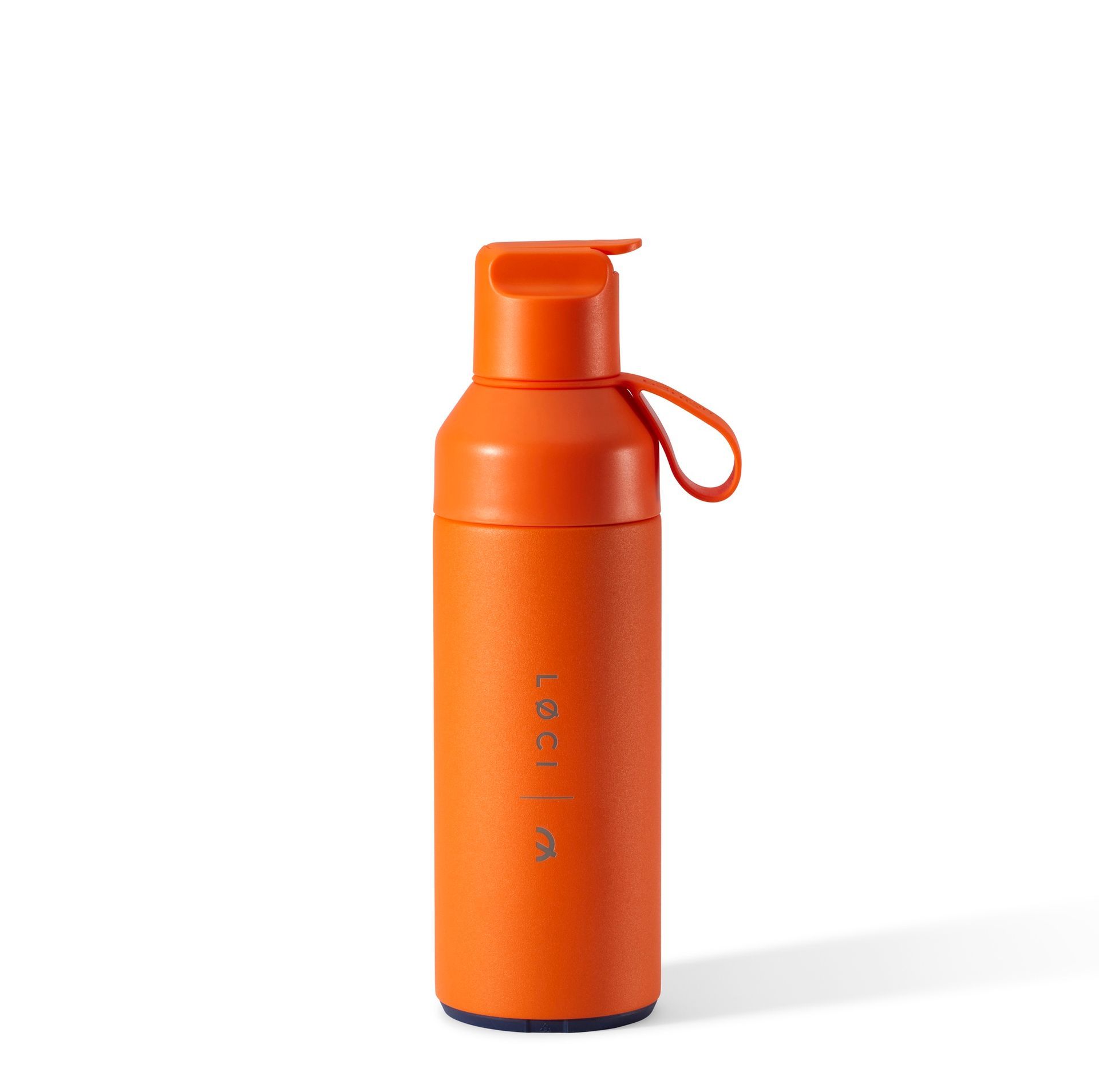
A simple, white or neutral background ensures the focus stays on the product. But, like everything, not ALWAYS! Depends on the creative direction... For visual interest, subtle textures or gradients can be used, but avoid distractions.
4. Focus on Composition and Framing
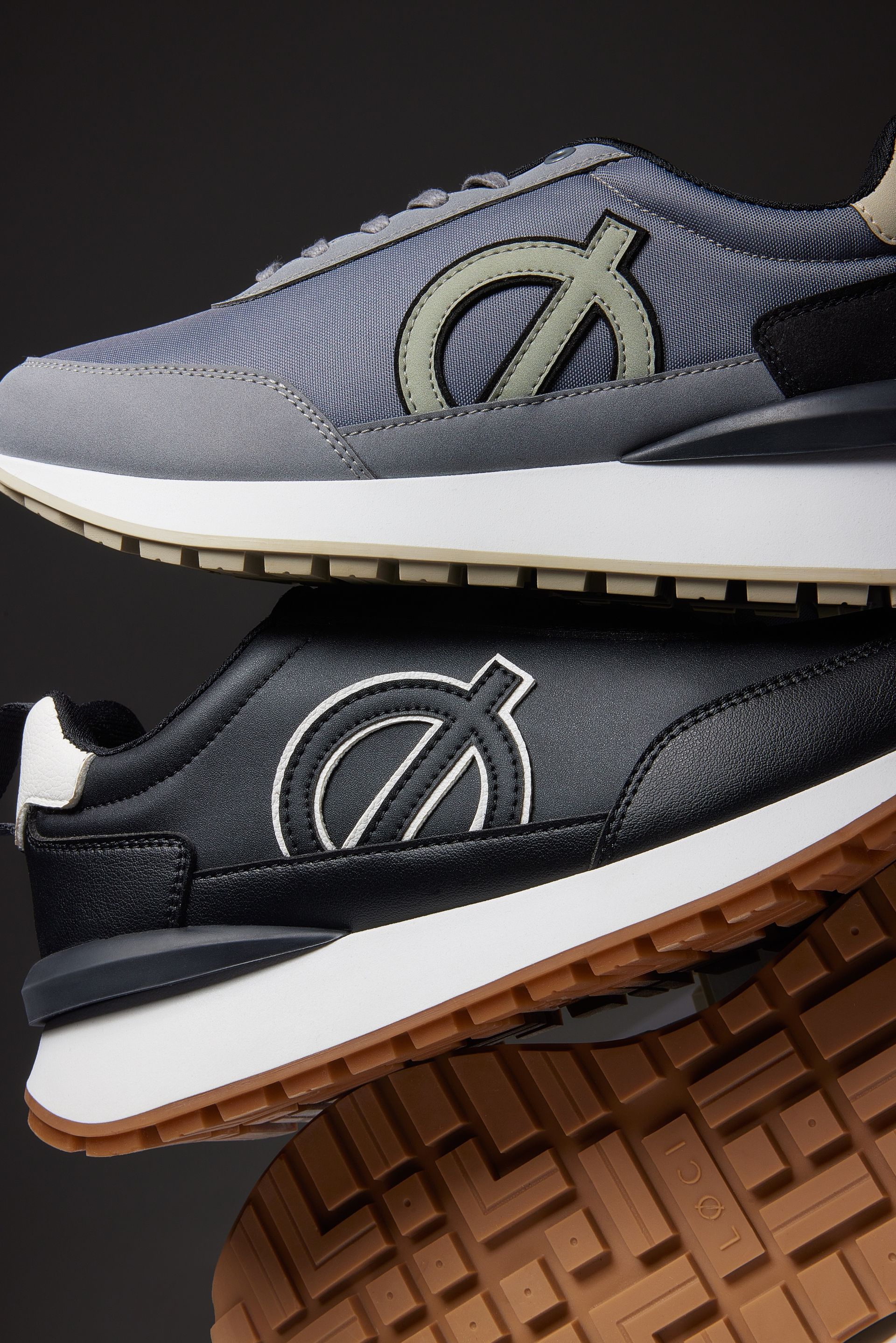
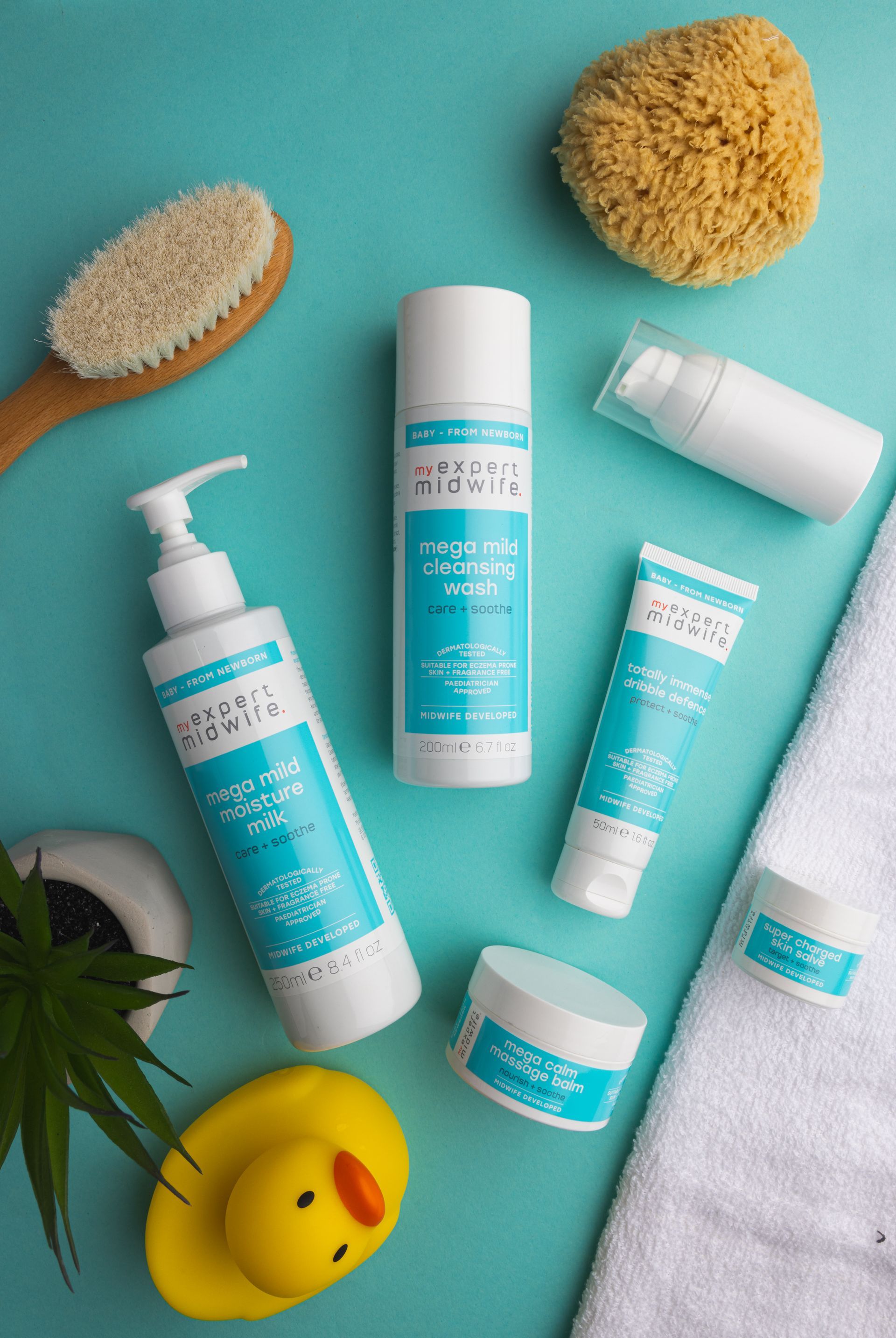
Often people follow the "rule of thirds" to balance their product’s placement or opt for symmetrical framing for impact! You can experiment with angles to showcase different aspects, and include "hero shots" for a bold, dynamic look.
5. Ensure Sharp Focus and High Resolution
Use a tripod to maintain sharp focus and capture high-resolution images for zooming in on details. Set your aperture between f/8 and f/16 to maintain sharpness throughout the frame.
6. Polish in Post-Processing
Use software like Adobe Lightroom, photoshop etc to adjust brightness, contrast, and sharpness. Make sure to keep editing subtle to maintain the product’s authenticity... and keep the edit consistent across images!